

Choosing between a gas pizza oven and an electric pizza oven is one of the most common questions for home users, food businesses, and small commercial kitchens. Both options are capable of producing excellent pizza, but they differ significantly in heat control, installation requirements, operating style, and suitability for different environments. This article provides a detailed comparison to help you decide which type of pizza oven is better for your specific needs.
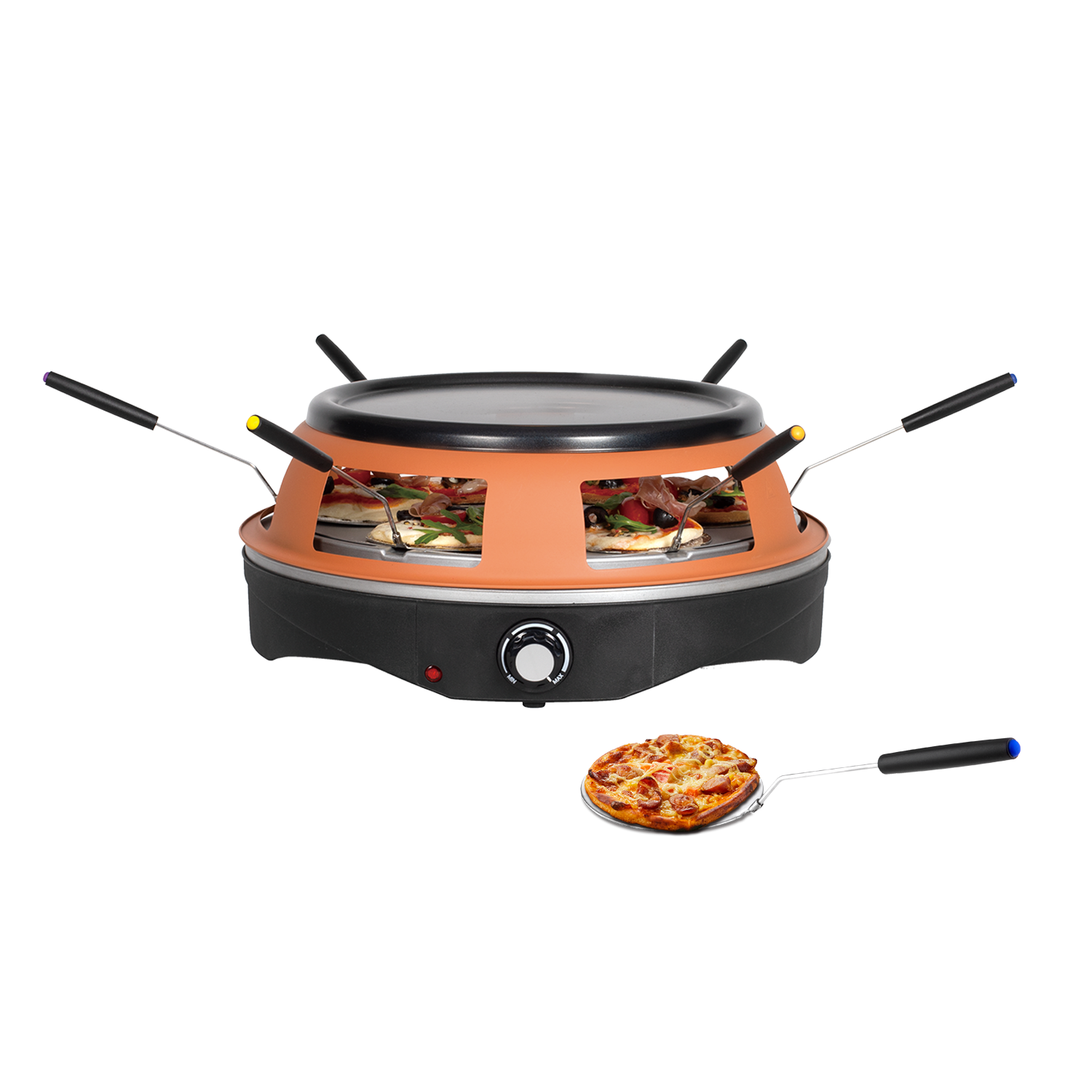
1. Understanding the Core Difference Between Gas and Electric Pizza Ovens
The fundamental difference between gas and electric pizza ovens lies in how heat is generated and controlled. Gas pizza ovens use natural gas or propane to produce flame-based heat, while electric pizza ovens rely on internal heating elements powered by electricity. This difference affects not only cooking performance but also installation, safety, and daily operation.
Gas ovens typically deliver intense heat quickly and are often associated with traditional pizzeria-style cooking. Electric ovens focus more on precision, consistency, and ease of use, making them popular in indoor and residential environments where open flames may not be practical.
2. Heat Performance and Cooking Results
Heat performance plays a major role in pizza quality. Gas pizza ovens are known for their ability to reach very high temperatures rapidly, which is ideal for Neapolitan-style pizzas that require short bake times and high heat. The flame can create a dynamic heat environment that some users prefer for achieving charred crust textures.
Electric pizza ovens, on the other hand, provide stable and evenly distributed heat. While they may take slightly longer to reach maximum temperature, they excel at maintaining consistent heat throughout the cooking process. This makes them suitable for a wide range of pizza styles, including thin crust, pan pizza, and frozen or prepared pizzas, where consistency is more important than extreme heat.
3. Control, Consistency, and Ease of Use
Electric pizza ovens generally offer more precise temperature control. Digital thermostats and adjustable heating zones allow users to set and maintain exact temperatures with minimal monitoring. This is especially beneficial for users who want repeatable results without constant adjustment.
Gas pizza ovens require more attention during use. Flame intensity may fluctuate, and users often need experience to manage heat distribution effectively. While this hands-on control appeals to some enthusiasts, it can be less convenient for beginners or high-turnover environments.
4. Installation, Space, and Safety Considerations
Installation requirements differ significantly between the two types. Gas pizza ovens require access to a gas line or propane supply, proper ventilation, and adherence to local safety regulations. These factors can limit where a gas oven can be installed, particularly indoors.
Electric pizza ovens are generally easier to install. Most models only require a suitable electrical outlet and adequate countertop or floor space. Because there is no open flame, they are often approved for indoor use in apartments, cafés, and commercial kitchens with limited ventilation options.
From a safety perspective, electric ovens reduce risks related to gas leaks and flame exposure, making them more accessible for a wider range of users.
5. Operating Costs and Energy Efficiency
Operating costs depend on local energy prices and usage frequency. Gas is often less expensive per unit of energy, which can make gas pizza ovens more economical for high-volume cooking. However, efficiency losses and ventilation requirements may offset some of these savings.
Electric pizza ovens typically consume more energy per hour, but their efficiency and controlled heating can reduce waste. For low to moderate usage, especially in residential or small business settings, the difference in operating cost is often minimal.
The choice should be based on usage patterns rather than energy price alone.
6. Suitability for Different Users and Scenarios
Different users benefit from different oven types. Gas pizza ovens are often favored by traditional pizzerias, outdoor kitchens, and users seeking high-temperature performance and authentic flame cooking.
Electric pizza ovens are well suited for:
- Home kitchens and apartments
- Indoor cafés and small restaurants
- Food businesses with limited ventilation
- Users prioritizing ease of operation and consistency
Manufacturers such as Yilian develop pizza maker solutions designed to support electric pizza cooking with stable heat control, compact structures, and user-friendly operation, making them adaptable to a wide range of indoor applications.
7. Maintenance and Long-Term Practicality
Maintenance requirements also differ. Gas ovens require regular inspection of burners, gas connections, and ventilation systems. Improper maintenance can affect safety and performance over time.
Electric pizza ovens typically have fewer components exposed to combustion-related wear. Cleaning usually focuses on interior surfaces and heating elements, which simplifies upkeep. For long-term use, electric ovens often require less specialized maintenance.
Conclusion
Whether a gas or electric pizza oven is better depends on how and where it will be used. Gas pizza ovens excel in high-heat performance and traditional cooking styles but require more space, ventilation, and user experience. Electric pizza ovens offer greater control, easier installation, and consistent results, making them ideal for indoor environments and users who value convenience and reliability. By evaluating cooking goals, installation conditions, and daily usage needs, it becomes clear that neither option is universally better—each serves different purposes with distinct advantages.