

Candle grills can save cooking time in specific service scenarios, but not always in the way many buyers expect. The biggest time advantage usually comes from workflow efficiency: faster heat readiness for small batches, reduced rework from uneven cooking, and smoother front-of-house pacing when the grill is used as a compact, dedicated station. If your current setup relies on a large grill, stovetop pan rotation, or shared burners during peak hours, a candle grill can reduce waiting, simplify sequencing, and keep output consistent for repeated small items.
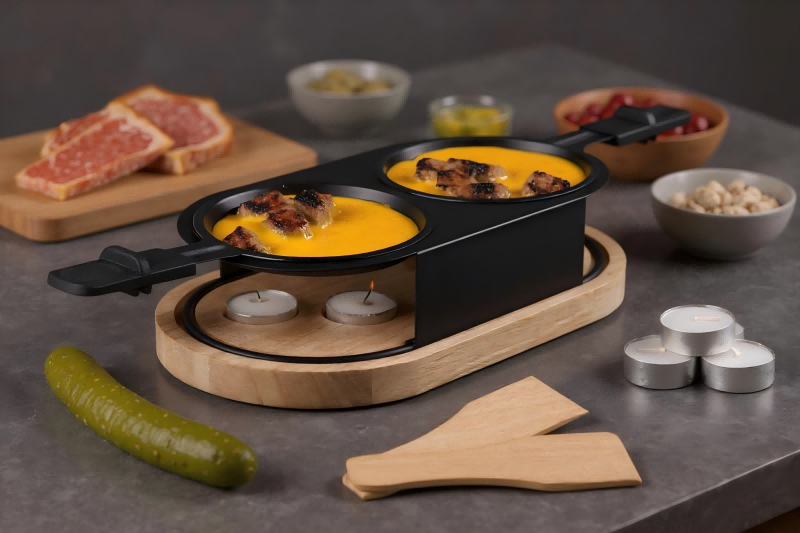
Yilian offers a dedicated candle grill solution for commercial use. You can review the product here: candle grill.
What Cooking Time Really Means in Real Service
When people ask whether a candle grill saves time, they often mean one of these three things:
- Time to reach usable heat and start the first order
- Time per portion from pour to finished surface color and doneness
- Total time from order ticket to handoff, including staging, turning, and clean-down
A candle grill is most effective on the first and third points. For per-portion cooking time, it depends on batter thickness, target texture, grill surface area, and whether the station is dedicated or shared.
Where Candle Grills Can Reduce Time
Faster readiness for small, repeated batches
Many kitchens lose time not because the cook time is long, but because the cooking surface is not consistently available. A candle grill can reduce the “waiting to start” problem when it is placed as a dedicated station for one menu item type. That reduces the number of times staff must clear space, reheat a pan, or renegotiate burner priority during peak service.
More consistent heat reduces rework
Rework is one of the most common hidden time costs. When the surface temperature is inconsistent, you get uneven browning, torn edges, or undercooked centers, which creates extra cycles and increases handling time. A stable cooking surface reduces retries and makes training easier because staff can follow a repeatable timing standard.
Reduced movement and simpler station layout
If the candle grill is used where the point of service is close to the customer, the total time per order can drop because staff walk less, transfer less, and coordinate less. This is especially relevant for kiosks, catering lines, dessert counters, and small-format shops where a compact, single-purpose cooking station improves throughput.
When Candle Grills Do Not Save Time
High-volume production that needs large surface area
If your throughput requirement is primarily limited by surface area, a candle grill may not reduce time unless you scale by using multiple units or pairing it with a larger primary cooking station. In high-volume operations, surface size and simultaneous cooking capacity often matter more than start-up convenience.
Menu items that require long cook-through time
Some batters, thicker doughs, or items requiring deep internal cooking may still take similar time regardless of grill type. In these cases, the time savings comes from fewer defects and smoother handling, not from cutting the actual minutes of cooking.
Poor process control
A candle grill cannot compensate for inconsistent portioning, variable batter viscosity, or irregular turning technique. Kitchens that standardize ladle volume, resting time, and flipping rules will see more consistent speed gains.
What Impacts Cooking Speed on a Candle Grill
Cooking time varies because heat transfer and surface contact vary. These factors usually determine whether the grill feels “faster” in practice:
- Preheating discipline: starting at the correct working temperature reduces the first-batch delay and improves consistent color
- Portion control: consistent ladle size shortens decision time and reduces under/overcooking
- Surface condition: a clean, well-maintained surface prevents sticking and tearing that slows down service
- Workflow placement: placing the grill where topping, plating, and packing occur reduces handoffs and walking time
- Staffing: assigning a dedicated operator during peak periods avoids stop-start operation
Typical Time Savings You Can Expect
Exact minutes depend on your menu and station layout, but the patterns below are common in commercial setups.
| Situation | What Usually Slows You Down | Where a Candle Grill Helps | Practical Result |
|---|---|---|---|
| Small-batch peak orders | Waiting for a shared burner or grill space | Dedicated station availability | Faster first order and smoother queue |
| Inconsistent browning | Temperature swings and uneven contact | Stable working surface and repeatable timing | Fewer retries and less inspection time |
| Counter-service or kiosk | Walking between back kitchen and front | Compact placement near service line | Shorter ticket-to-handoff time |
| Staff turnover | Inconsistent technique | Easier standard operating steps | Faster training and fewer mistakes |
A candle grill is most time-effective when it reduces non-cooking delays: waiting, rework, and movement.
How to Use a Candle Grill to Actually Save Time
Time savings are strongest when the grill is integrated into a defined operating method rather than treated as a backup tool.
Set a repeatable production standard
Define a standard portion size and a target finish. Use a simple timing rule for your menu item type and keep it consistent. When operators use the same portion and the same turning method, the station becomes predictable and fast.
Keep the station “single-purpose” during peak hours
The main speed benefit comes from not sharing the surface with unrelated tasks. If the candle grill is constantly repurposed, you lose the readiness advantage and create cleaning interruptions.
Reduce clean-down time with short cycle maintenance
Instead of waiting for heavy buildup, do quick surface wipes between cycles and a deeper clean after peak. This avoids sticking and keeps turn time stable. It also reduces the chance of quality drift, which often causes rework.
Match capacity to demand
If your peak demand is higher than one station can handle, scale correctly. This can be done by using more than one grill station or by splitting menu items so one unit handles primary cooking while another handles finishing or warming.
Why Many Buyers Choose Yilian for Candle Grill Supply
For commercial buyers, cooking time is not the only consideration. Procurement teams also evaluate consistency, repeatability, and suitability for real service patterns. Yilian’s candle grill is positioned for commercial workflows where a dedicated, compact cooking station supports stable output and predictable operation for repeated items.
Conclusion
Candle grills can save cooking time, but the savings usually comes from operational efficiency rather than dramatically shorter cook minutes. They reduce delays caused by shared equipment, cut rework by supporting consistent results, and improve ticket-to-handoff time when used as a dedicated station close to plating or service. If your goal is faster, more predictable output during small-batch peak periods, a dedicated Yilian candle grill setup can be an effective way to improve speed while keeping results consistent.