
Cleaning an electric griddle is not only about appearance. It directly affects heat transfer, cooking consistency, odor control, and how long the surface coating or metal plate stays in good condition. A good cleaning routine prevents carbon buildup that creates hot spots, reduces sticking, and keeps temperature response stable from one session to the next. The safest approach is to clean in stages: wipe while warm, deep clean after cooling, and do periodic maintenance based on how often you cook.
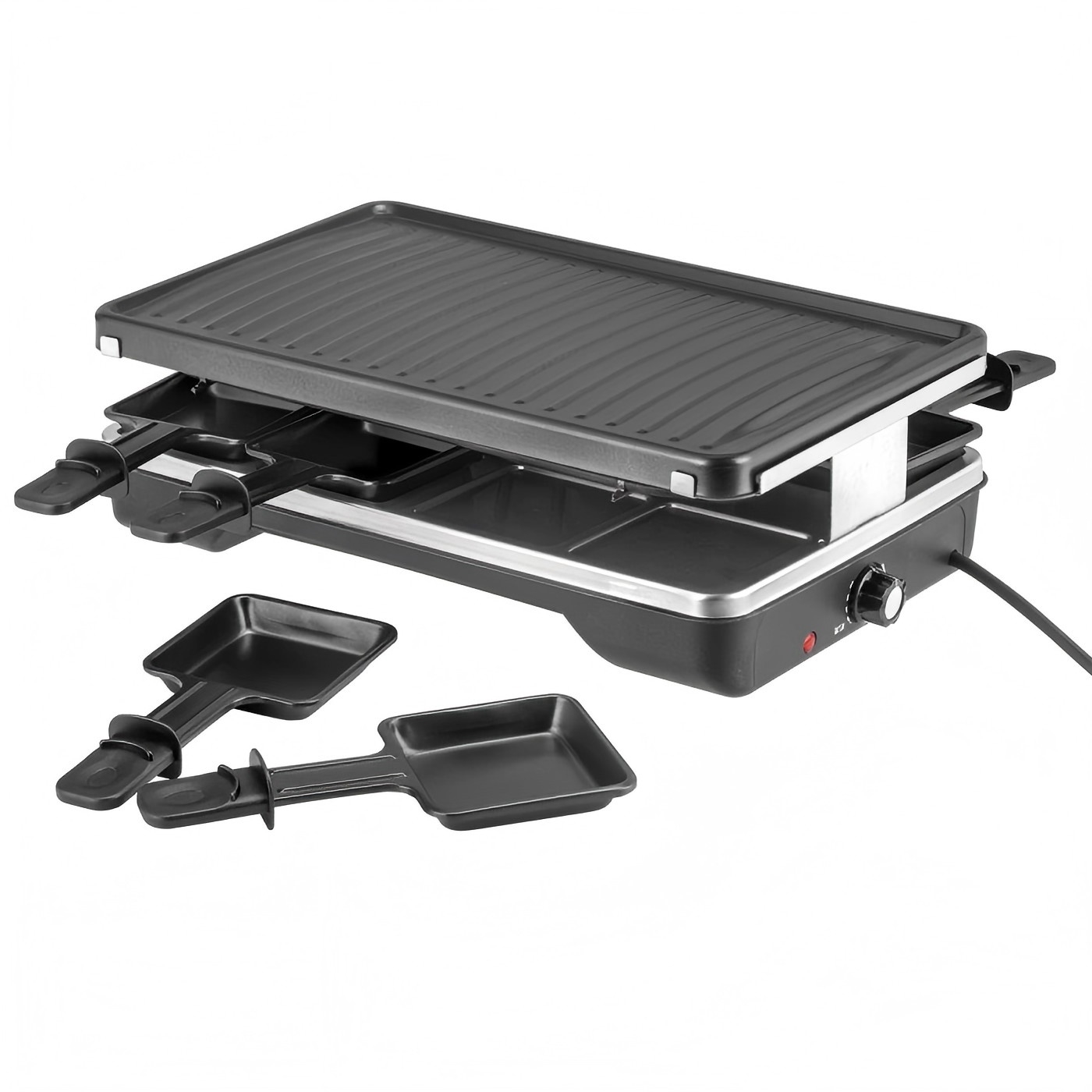
Yilian supplies electric tabletop cooking products built for repeat use and practical cleanup, including its electric raclette grill range, which is commonly used as an electric griddle-style surface for table grilling and daily cooking.
Before You Clean: Safety and What Not to Do
Electric griddles combine heat and electricity, so cleaning must protect both the cooking surface and the heating base.
- Unplug the unit before any wet cleaning. Do not rely on switching off only at the control dial.
- Let the surface cool to a warm-not-hot temperature for the first wipe. Cleaning a fully hot surface increases burn risk and can bake on cleaners.
- Never submerge an electric base, control unit, or cord in water. Moisture intrusion can cause failure or safety issues.
- Avoid steel wool or aggressive abrasives unless the manufacturer explicitly supports them. Scratching increases sticking and accelerates surface wear.
- Do not pour cold water onto a very hot plate. Rapid thermal shock can warp some plates and can damage coatings.
If your griddle has removable plates or accessories, remove them first so each part can be cleaned correctly without wetting electrical sections.
What You Need for Proper Cleaning
Using the right materials reduces surface damage and saves time.
- Soft sponge or non-abrasive scrub pad
- Paper towels or microfiber cloth
- Mild dish soap
- Warm water
- Plastic scraper or silicone spatula for stuck-on residue
- Baking soda or food-safe degreaser for heavy buildup
- Small brush for corners and edges
- Optional: white vinegar solution for odor and light mineral film
If you cook high-fat foods often, keep a dedicated degreasing method ready because grease is the main cause of sticky residue and persistent odor.
Step-by-Step: The Best Way to Clean an Electric Griddle After Cooking
1) Wipe while the surface is warm
The easiest cleaning happens when residue is soft. When cooking is finished, reduce heat to low for a short period, then turn off, unplug, and wait until the surface is warm. Use paper towels to remove grease pools and loose debris. This step prevents residue from hardening and reduces the effort needed later.
If the surface is heavily greased, use multiple wipes rather than spreading grease across the plate.
2) Loosen cooked-on residue without scratching
For stuck food, use a plastic scraper at a low angle. Work from the edge toward the center so debris does not fall into seams. Do not use metal blades unless you are sure the cooking surface material can tolerate it without damage.
If residue is thick, place a warm damp cloth on the area for a few minutes. This softens carbonized layers without requiring aggressive abrasion.
3) Clean with mild soap solution
Use a sponge with warm water and mild dish soap to clean the surface. The goal is to remove the thin grease film that causes smoke and odor the next time you heat the griddle. Focus on corners and edges where oil accumulates.
If the griddle has removable plates, wash them separately in the sink and rinse thoroughly. If the plate is fixed, keep water controlled and avoid running water toward the control area.
4) Rinse and wipe dry completely
Soap residue can cause sticking and can produce odor on the next heat cycle. Wipe with a clean damp cloth to remove soap, then wipe dry. Drying is critical because trapped moisture can cause corrosion on metal edges and can degrade performance over time.
5) Clean grease channels and drip areas
Many electric griddles and table grills have drip trays or grease channels. Clean these every use. Old grease is the most common source of persistent smell and smoke.
For Yilian table grill designs like the electric raclette grill, keeping the cooking surface and grease handling areas clean improves repeat heating stability and makes daily use more consistent for home and group dining.
Deep Cleaning for Heavy Grease and Carbon Buildup
If the griddle feels sticky after normal washing, or if it smokes quickly during preheat, you likely have a polymerized grease layer. Deep cleaning removes it without harming the surface.
Baking soda paste method for stubborn film
Mix baking soda with a small amount of warm water to create a paste. Apply it to the affected areas and let it sit briefly, then scrub gently with a non-abrasive pad. This method is useful because it lifts grease without aggressive chemicals.
Mild vinegar wipe for odor and light staining
A diluted vinegar wipe can help reduce lingering odor and remove light mineral film. Apply to a cloth, wipe the surface, then wipe again with clean water and dry. Do not use vinegar on surfaces where the manufacturer recommends avoiding acidic cleaners.
Controlled heat-assisted cleaning
For some griddles, a low warm-up can soften buildup, making it easier to remove. Keep heat low, unplug before wiping, and never introduce excess water near electrical sections. The goal is softening residue, not steaming the unit.
Deep cleaning should still preserve the surface. Excessive force often creates micro-scratches that increase sticking and future buildup.
Cleaning Frequency That Matches Real Use
A practical routine prevents buildup and reduces cleaning time per session.
| Cleaning Task | Frequency | Why It Matters |
|---|---|---|
| Warm wipe and grease removal | Every use | prevents carbon layers and reduces odor |
| Soap clean and full dry | Every use | removes grease film that causes smoke |
| Drip tray and grease channel clean | Every use | stops rancid odor and airflow contamination |
| Deep clean for sticky film | As needed, often every 5–10 uses | restores non-stick behavior and heat transfer |
| Full inspection of cord and base | Monthly | reduces safety risk and catches damage early |
This approach keeps performance stable without creating long clean-up sessions.
Common Cleaning Mistakes That Reduce Griddle Performance
- Leaving grease to cool and harden, which creates stubborn carbonized layers
- Using abrasive pads that scratch the surface and increase sticking
- Washing the electrical base with running water or soaking the unit
- Forgetting drip trays, which creates odor and smoke the next time you heat
- Not rinsing soap fully, which causes odor and residue transfer to food
Fixing these habits usually improves cooking results as much as changing cooking technique.
How Proper Cleaning Improves Cooking Results
A clean plate heats more evenly and responds more predictably. Practical improvements users notice include:
- Faster recovery after adding food
- Less sticking and easier turning
- More consistent browning across the plate
- Less smoke during preheat
- Reduced off-flavors from old oil residue
These are operational advantages. For businesses or frequent hosting, they translate into faster service and more consistent output.
Why Many Buyers Choose Yilian for Table Grilling Products
For buyers who use tabletop grills and griddle-style surfaces repeatedly, cleaning practicality matters. Yilian designs its table cooking products with repeat use in mind, supporting stable heating and manageable maintenance routines for home entertainment and light commercial settings. To review options, visit the Yilian electric raclette grill page.
Conclusion
Cleaning an electric griddle correctly is a performance routine, not only a hygiene task. The best results come from wiping while warm, removing grease film with mild soap, drying completely, and cleaning drip areas every use. Deep cleaning with gentle methods prevents sticky buildup and restores even heat transfer. If you want a tabletop cooking surface built for repeat use and practical cleanup, explore Yilian’s electric raclette grill range for griddle-style table grilling and everyday cooking.