

An electric pizza maker is built to deliver consistent, high-heat baking in a compact format without needing a full-size oven. It uses electric heating elements to heat a cooking plate, stone, or baking surface from the bottom and, in many designs, from the top as well. The main advantage is control and repeatability. Once you understand preheating, dough thickness, temperature settings, and timing, you can produce pizzas with an evenly cooked base and well-melted toppings in a predictable workflow.
This guide explains how to use an electric pizza maker step by step, how to choose settings for different pizza styles, and how to avoid common issues like soggy crust, burnt bottoms, or uneven browning. For product reference, you can view Yilian options here: pizza maker.
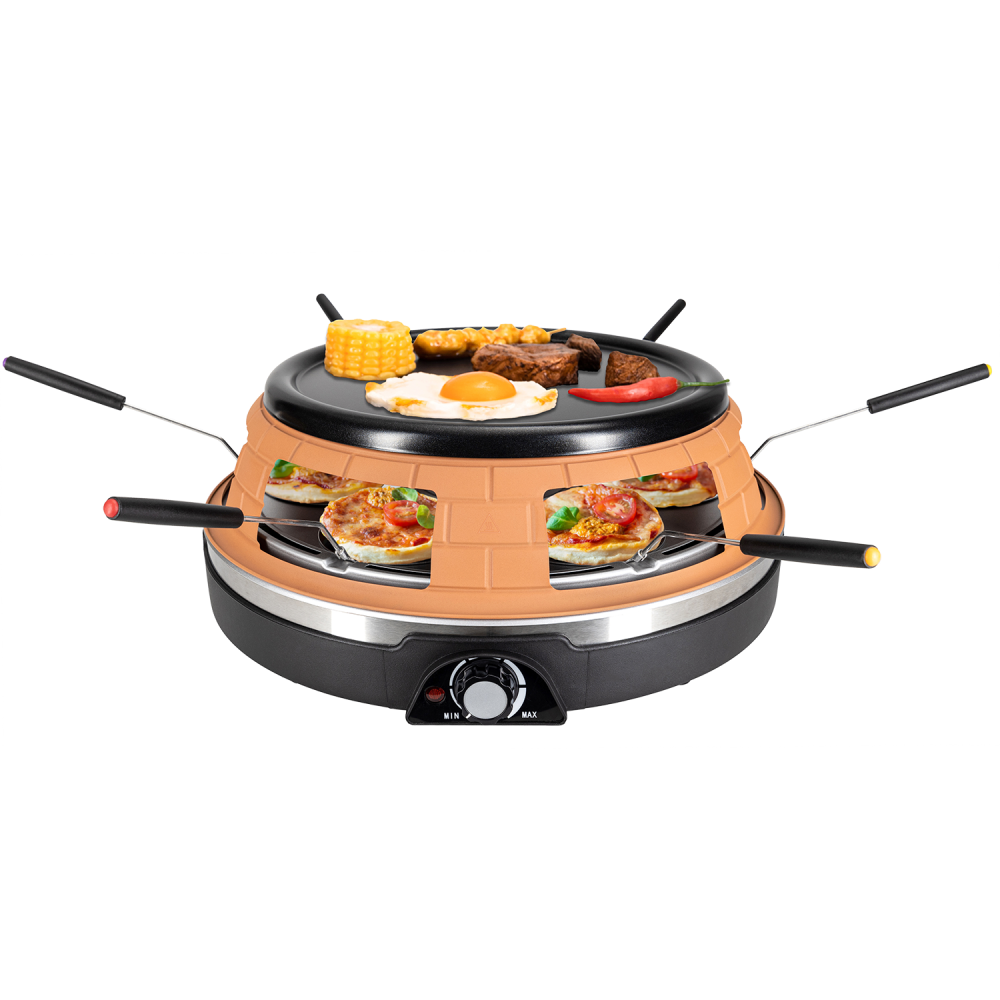
Understand How An Electric Pizza Maker Heats And Bakes
Most electric pizza makers heat in a direct-contact way. The baking surface stores heat and transfers it to the dough quickly, which is why preheating is critical. Some units also heat from above to help melt cheese and brown toppings. The lid traps heat and creates a small baking chamber that behaves more like a pizza oven than a standard frying pan.
Key operating characteristics to remember:
- The baking surface must reach temperature before loading dough, or the base will dry slowly and turn soft.
- Toppings cook by radiant heat from the lid and by steam released from ingredients.
- The lid position and heat setting affect browning. Keeping the lid closed during baking improves melt and top color.
- Dough thickness and hydration change the bake time more than many users expect.
If you want a predictable workflow, treat the pizza maker like a compact oven and follow a consistent sequence: preheat, load quickly, bake with lid closed, and rest briefly before slicing.
Prepare Ingredients And Dough For Best Results
Many pizza problems start before baking. An electric pizza maker can cook quickly, so ingredients must be prepped for fast heat transfer.
Dough preparation:
- Bring dough to room temperature before shaping. Cold dough bakes unevenly and can remain dense in the center.
- Shape the dough to a uniform thickness. Uneven thickness creates burnt edges with undercooked centers.
- Use flour or semolina lightly on the surface to reduce sticking, but avoid heavy dusting that can burn.
Sauce and toppings:
- Use sauce sparingly. Too much sauce adds moisture and creates a soggy base.
- Pre-cook high-water toppings when possible, such as mushrooms or watery vegetables.
- Cut toppings into thin, even pieces so they cook within the pizza’s bake window.
- For thick meats, use pre-cooked toppings or very thin slices to avoid undercooking.
Cheese handling:
- Use shredded cheese for faster melt and more even coverage.
- Spread cheese evenly, but keep it away from the edge to reduce overflow and burning.
If you are producing pizzas in a repeated workflow, prepare toppings in batches and portion them. This keeps the bake cycle consistent and improves throughput.
Step-By-Step: How To Use An Electric Pizza Maker
This is a practical operating sequence that fits most electric pizza maker styles. Always follow your unit’s safety instructions for heating and handling.
-
Place the unit on a stable surface
Ensure the surface is heat resistant and the unit has airflow clearance. Keep cords away from the hot lid and edges. -
Preheat the pizza maker
Turn the unit on and preheat with the lid closed. Preheat time varies by unit design, but the goal is to reach a stable baking temperature before loading the pizza. A properly preheated surface helps crisp the base quickly. -
Lightly oil or dust the surface if needed
If your unit uses a non-stick plate, use minimal oil. If it uses a stone-like surface, a light dusting of flour or semolina may be enough. Too much oil can fry the base and make it oily rather than crisp. -
Load the shaped dough quickly
Open the lid, place dough centered, and close the lid promptly. Keeping the lid open too long loses heat and reduces top browning. -
Add sauce and toppings efficiently
If you prefer to top before loading, ensure the dough remains firm enough to transfer. If you top after loading, work quickly to preserve heat. Keep toppings balanced so the center does not become overloaded with moisture. -
Bake with lid closed
Maintain the lid closed for most of the bake. Check once near the expected finish time to evaluate browning and crust set. -
Remove and rest briefly
Use heat-resistant tools to lift the pizza out. Let it rest for 1 to 2 minutes to allow cheese to set slightly before slicing. -
Repeat for the next pizza
If making multiple pizzas, allow the unit to recover heat for a short time between batches, especially if the lid was opened frequently.
For product reference and design variations, you can see Yilian’s pizza maker range.
Temperature And Time Settings For Different Pizza Styles
Electric pizza makers may have a temperature dial, fixed settings, or multiple heat levels. The right setting depends on dough thickness and toppings. Use the table below as an operating guide and adjust based on your dough and unit behavior.
| Pizza Style | Dough Thickness | Heat Setting Strategy | Practical Timing Approach |
|---|---|---|---|
| Thin crust | Thin, even | Higher heat to set the base fast | Short bake, watch edge color closely |
| Classic round | Medium | Medium-high heat for balanced bake | Bake until cheese fully melts and base is firm |
| Deep and loaded | Thick | Medium heat to avoid burning the base | Longer bake, keep toppings pre-cooked |
| Frozen pizza | Varies | Medium-high for fast recovery | Bake until center is hot and base is crisp |
| Flatbread style | Thin | High heat | Very short bake, remove before over-drying |
Key adjustment rules:
- If the bottom browns too fast, reduce heat slightly and increase bake time.
- If the top is pale, keep the lid closed more and avoid frequent checking.
- If the center is soft, reduce sauce volume and avoid watery toppings.
A consistent dough weight and topping portion is the fastest way to stabilize results across batches.
Troubleshooting Common Problems
Most electric pizza maker issues have clear causes. Use this problem-to-fix table to correct results quickly.
| Problem | What You See | Likely Cause | Fix |
|---|---|---|---|
| Soggy center | Base soft under toppings | Too much sauce or watery toppings | Use less sauce, pre-cook vegetables, reduce topping load |
| Burnt bottom | Dark base, bitter spots | Heat too high or dough too thin in center | Lower heat, shape evenly, shorten bake |
| Pale top | Cheese not browning | Lid opened too often or heat too low | Keep lid closed, increase heat slightly |
| Uneven bake | One side darker | Dough off-center or unit not level | Center the dough, check countertop stability |
| Sticking | Dough tears when removing | No dusting, surface not conditioned | Lightly dust, preheat properly, use a thin tool to lift edge |
| Cheese overflow | Burnt cheese on edges | Toppings too close to rim | Leave a clean rim, reduce cheese volume |
The quickest quality improvement typically comes from controlling moisture. Sauce volume and wet toppings are the main reasons electric pizzas lose crispness.
Cleaning And Maintenance After Use
Proper cleaning protects the surface finish and helps the unit heat evenly over time.
Cleaning steps:
- Unplug and let the unit cool until warm.
- Wipe the plate and lid interior with a soft cloth or sponge.
- Remove baked-on cheese with a non-metal scraper if needed.
- Avoid soaking the electric unit or letting water enter vents.
- Dry thoroughly before storing.
Maintenance tips:
- Clean spills early. Burnt cheese hardens and becomes harder to remove.
- Do not use abrasive pads on non-stick surfaces.
- Store the lid slightly open if your design allows, so odors do not build up.
For commercial or high-frequency use, setting a consistent cleaning routine at the end of each shift prevents performance drop and reduces downtime.
How Yilian Supports Electric Pizza Maker Projects
For buyers sourcing electric pizza makers for retail, food-service preparation, or project-based kitchen equipment, consistency matters. A pizza maker should deliver repeatable heating, stable lid closure, and surfaces that are easy to clean. Yilian provides electric pizza maker solutions and supports product configuration needs, including specification-based selection and customization options for different application requirements.
You can view the product category here: pizza maker.
Conclusion
To use an electric pizza maker successfully, focus on a repeatable workflow: preheat fully, load dough quickly, control sauce and topping moisture, bake with the lid closed, and rest briefly before slicing. Adjust heat and time based on dough thickness and topping load, and use consistent portioning to stabilize results across batches. With correct prep and simple maintenance, an electric pizza maker can deliver reliable crust texture and even melt without relying on a full-size oven.
If you want help choosing the right electric pizza maker configuration for your application, or you need guidance on specifications and customization, contact Yilian. Share your target pizza size, expected daily output, power preference, and surface type needs, and we can provide practical recommendations and tailored support based on our pizza maker solutions.